

- Overview
- Itinerary
- Includes
- Excludes
- Gallery
- Downloads
- Book Now
- FAQ
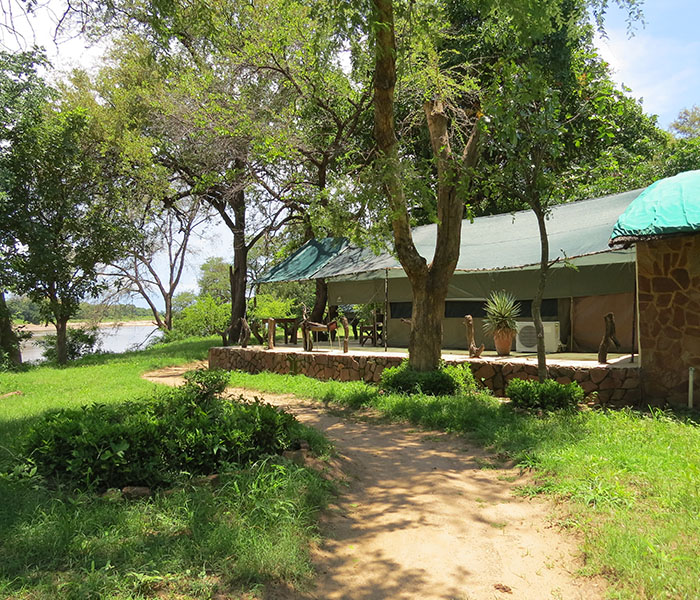
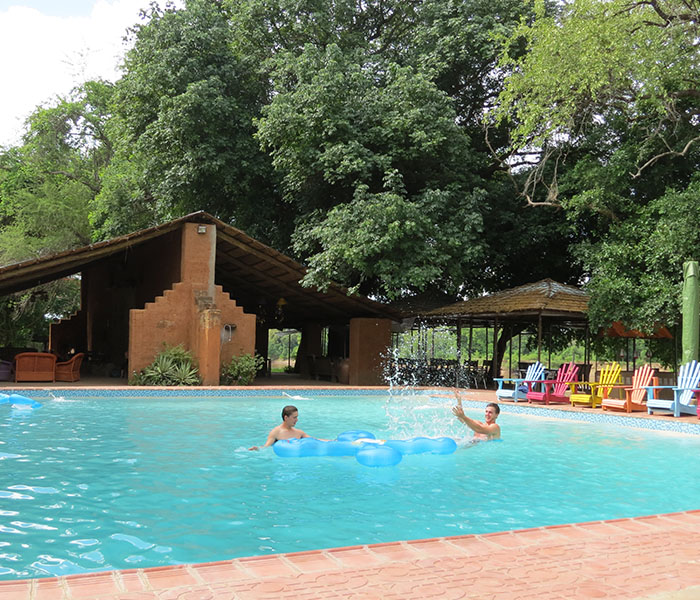
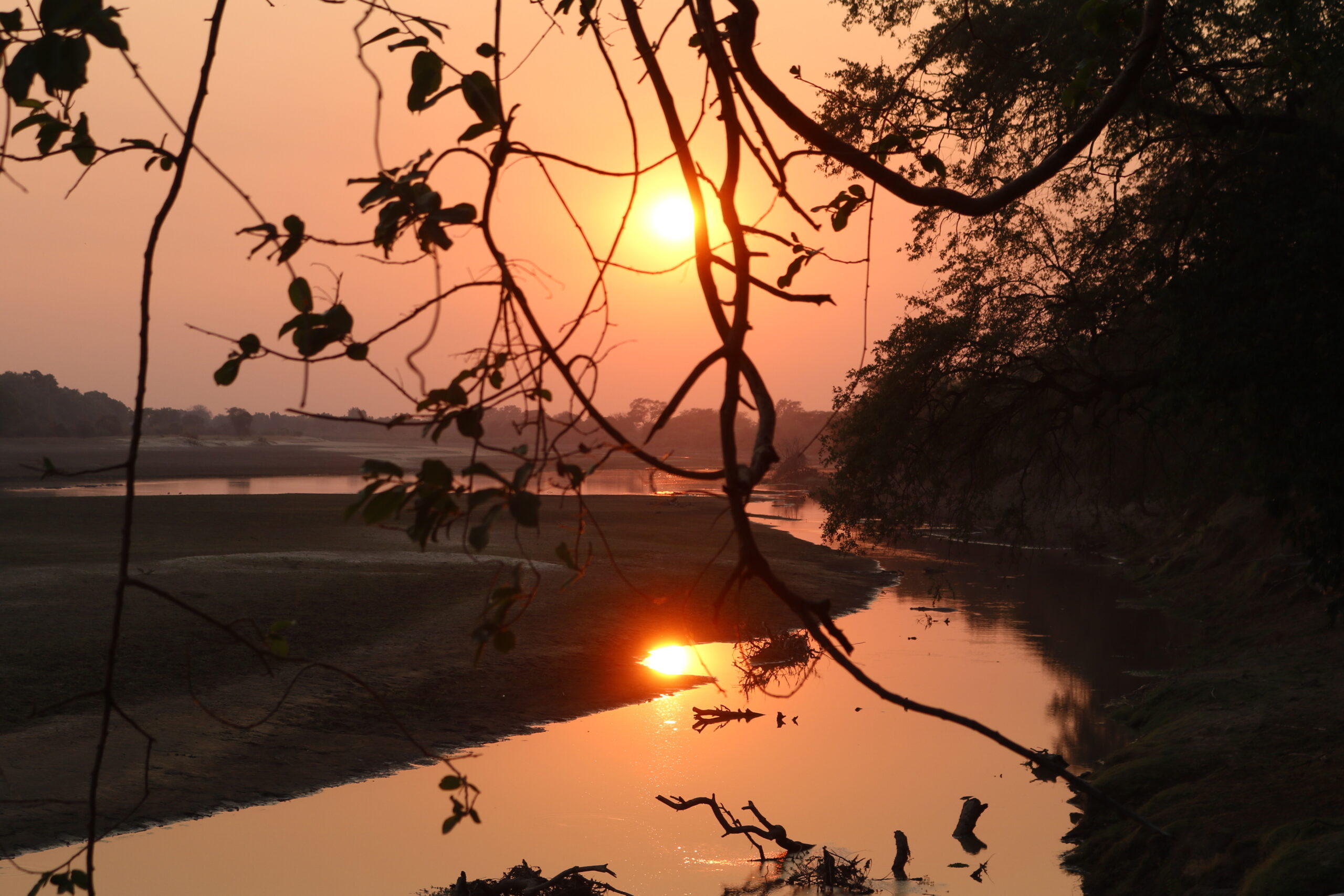
Croc Valley Camp on the banks of the Luangwa River will be your affordable safari base in South Luangwa. You can relax on the sundeck while watching hippos and crocodiles in the river. Just 500 m from the bridge that carries you into South Luangwa National Park, Croc Valley Camp is the ideal starting point for your Zambian safari experience. View the abundant wildlife on game drives with a knowledgeable resident guide or take a world-famous walking safari to experience the wilderness up close.
Itineraries
Day 1
Arrival in South Luangwa

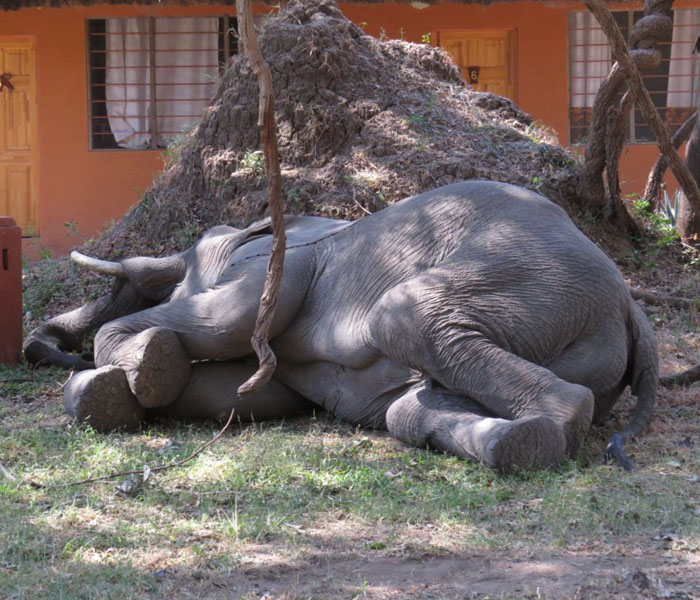
Upon your arrival at Mfuwe International Airport (MFU), you will be met by a representative of the lodge and assisted with the transfer. Relax on the sundeck and enjoy a sundowner while watching hippos and crocodiles in the Luangwa River. Elephants, leopards, lions, other mammals and rare African birds are regular sights on the riverbanks. Monkeys and antelope wander between the tented chalets in the mornings and evenings. Enjoy your delightful dinner and discuss the itinerary for the following days with your safari guide.
Day 2 - 3
Experience Amazing Wildlife in South Luangwa

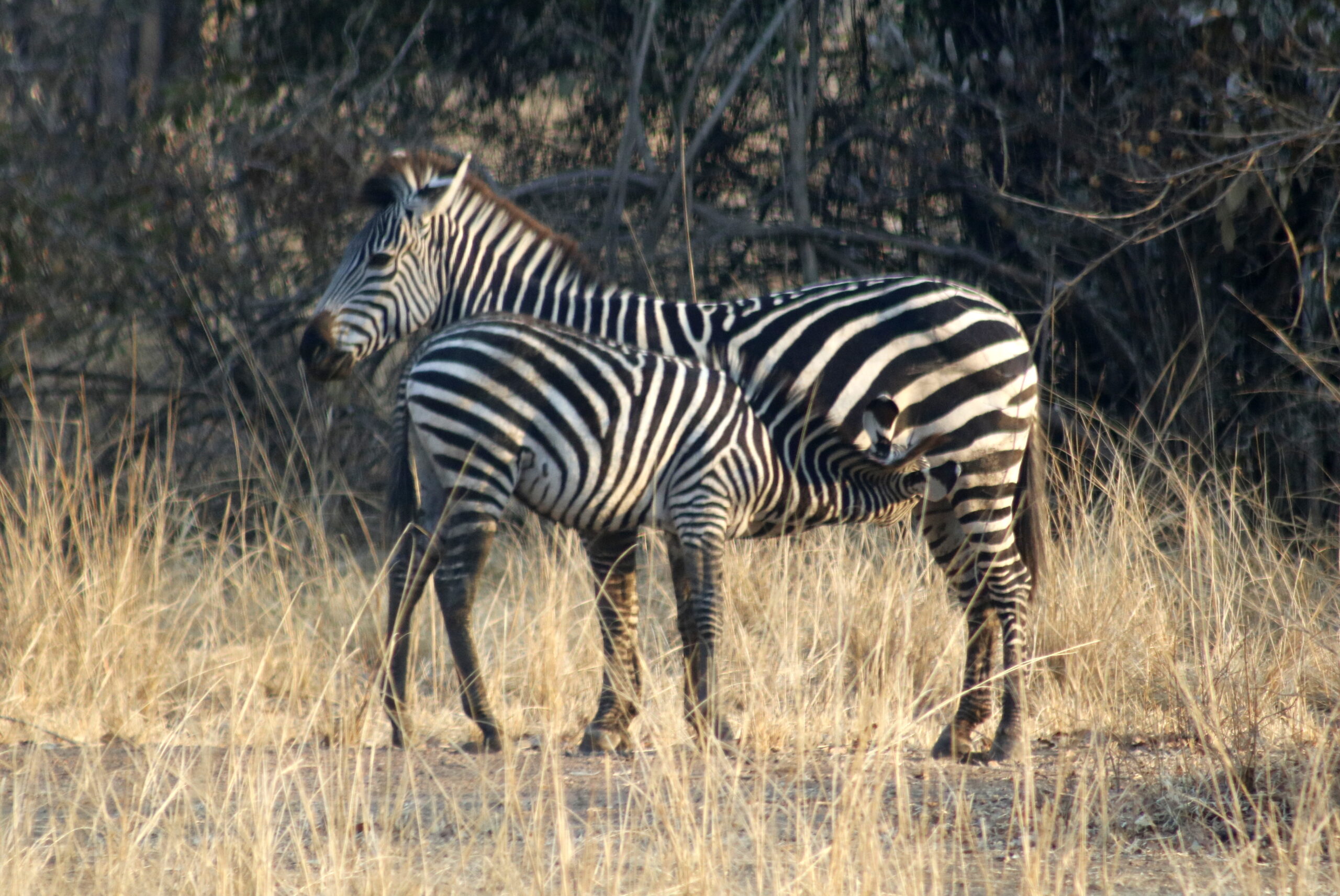
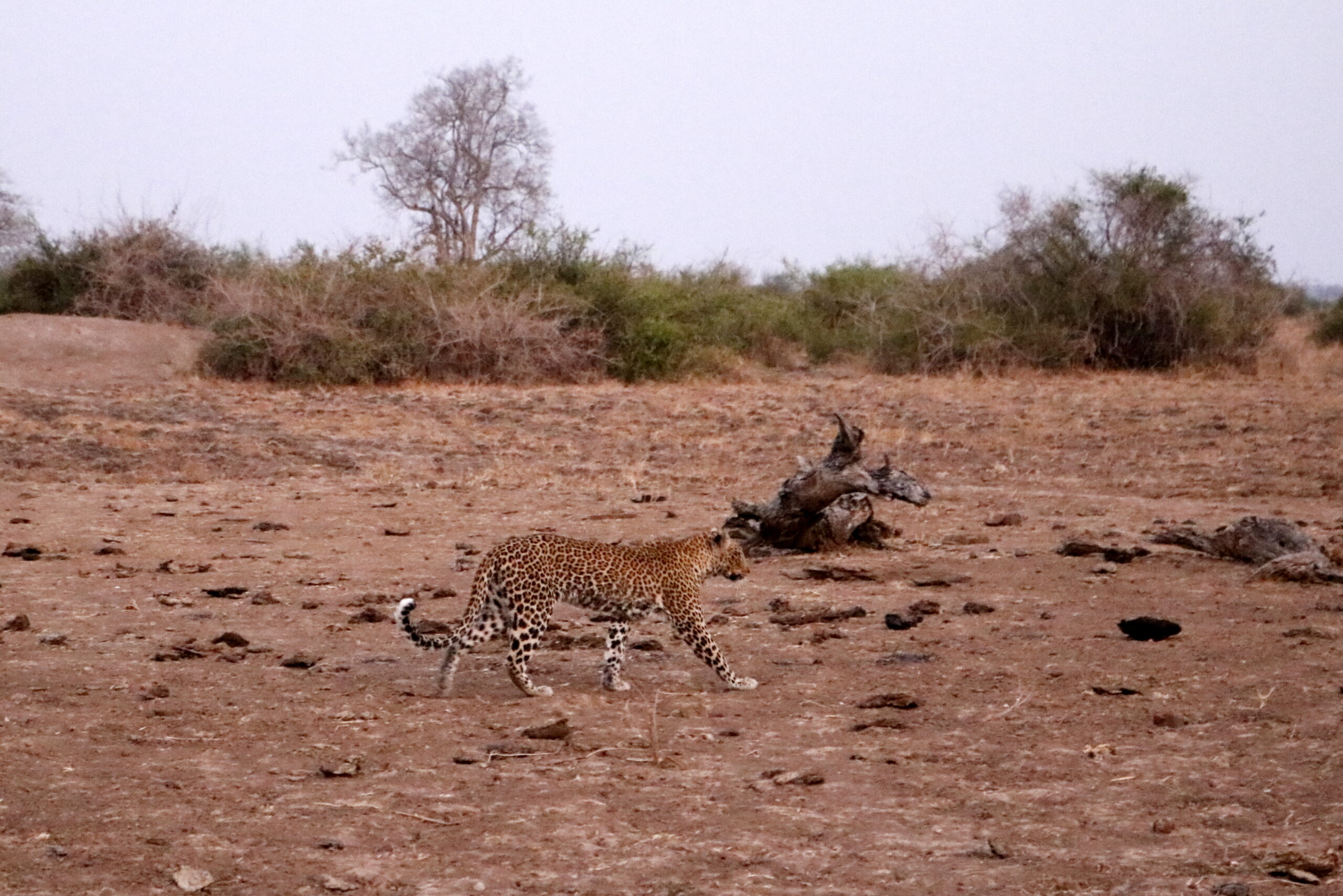
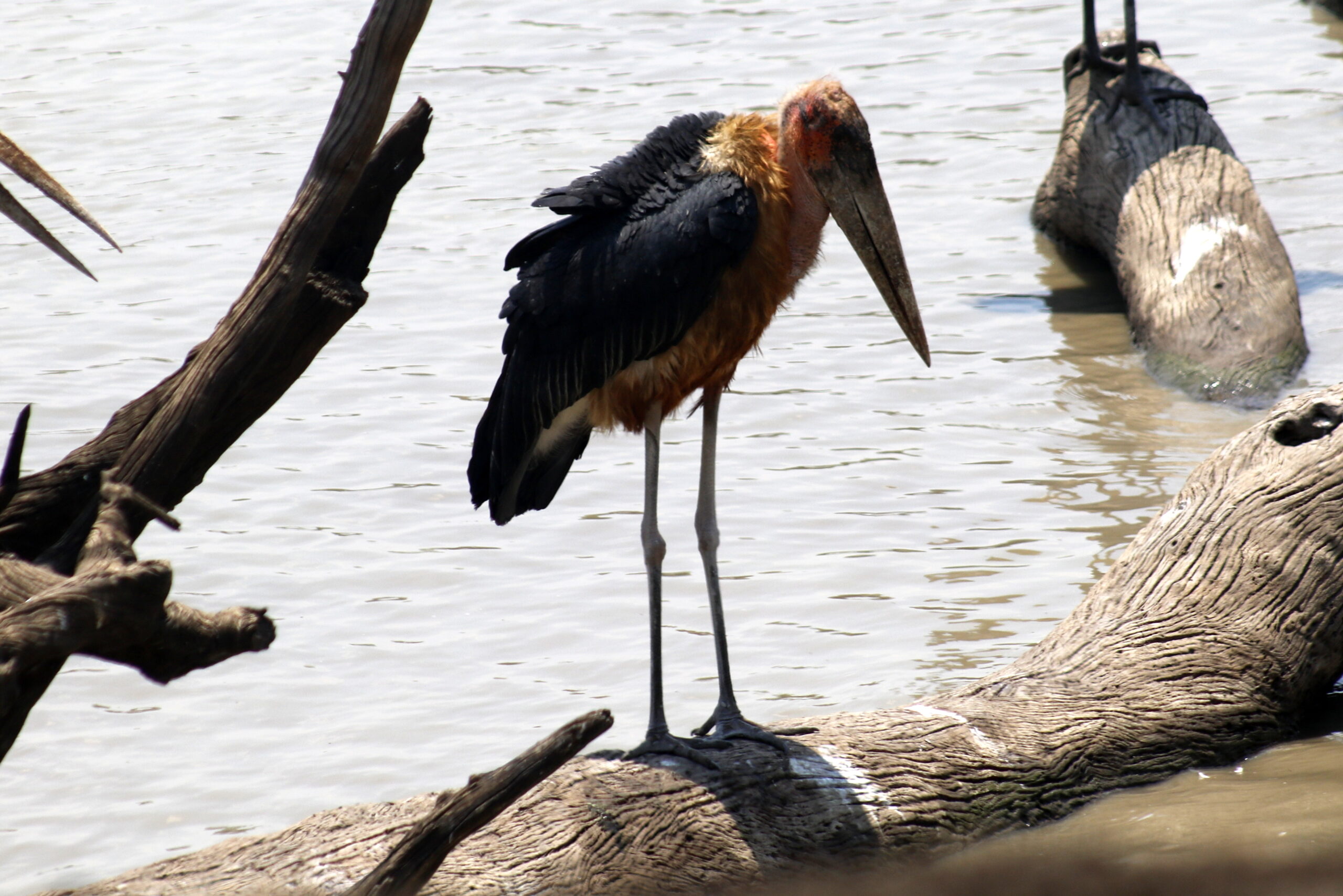
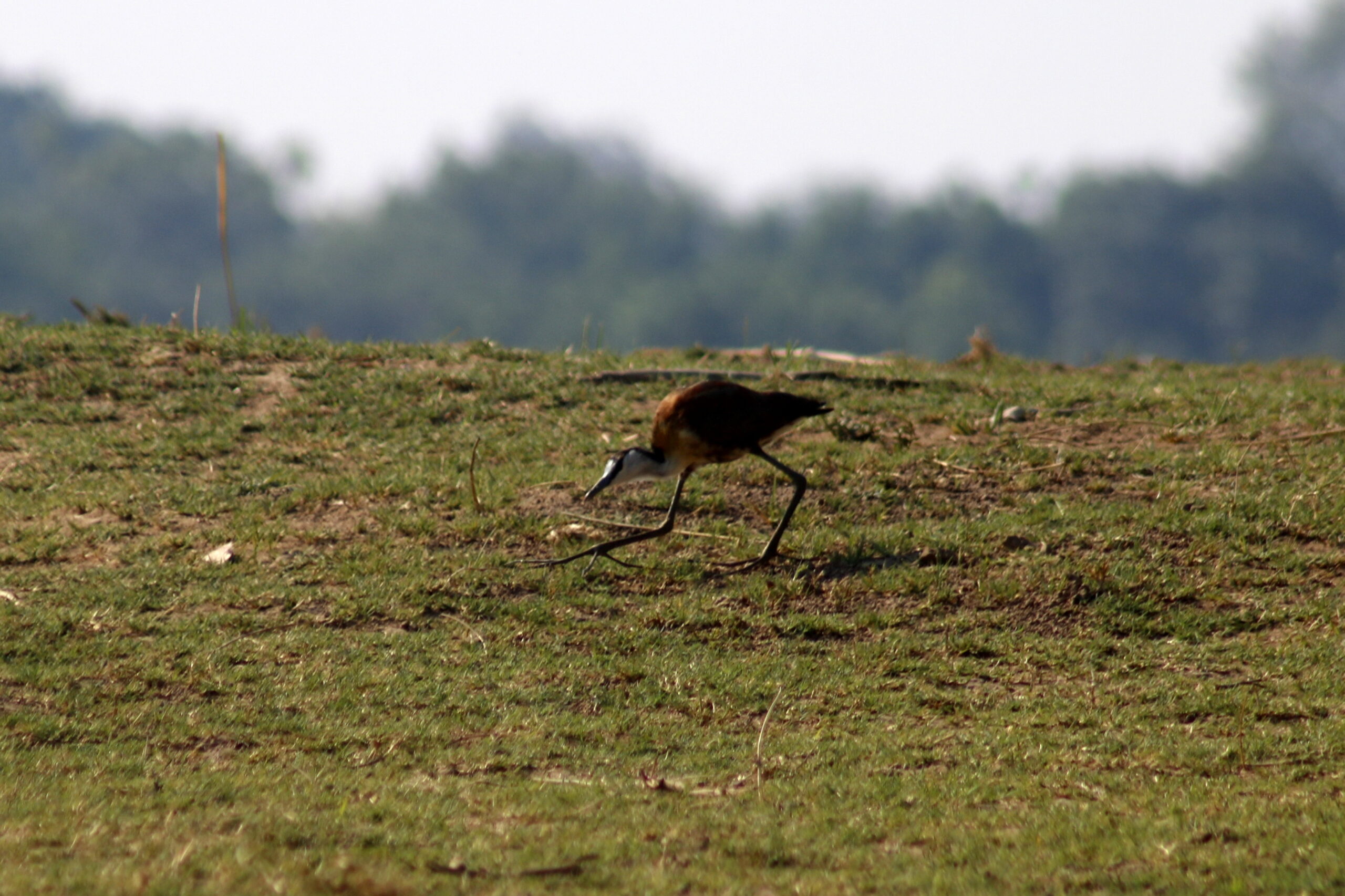
After an early breakfast, you will go on a morning game drive in our open safari vehicles. Watch the antelopes, elephants, zebras, warthogs, lions, leopards, the abundance of beautiful birds and our very own Thornicroft giraffe, which is found nowhere else. Our game drives are led by resident professional guides with an intimate knowledge of South Luangwa National Park and its wildlife.
You will have some snacks and tea/coffee at a scenic spot before heading back to the lodge for lunch and siesta.
After your afternoon coffee/tea you will head out for your evening safari. You will have a sundowner stop at a panoramic viewpoint.
Day 4
Departure from South Luangwa

After breakfast, you will have your transfer to Mfuwe International Airport for your flight to your next destination or back home. On route, you can stop at Tribal Textiles to see how everything is handcrafted and perhaps to get some souvenirs.
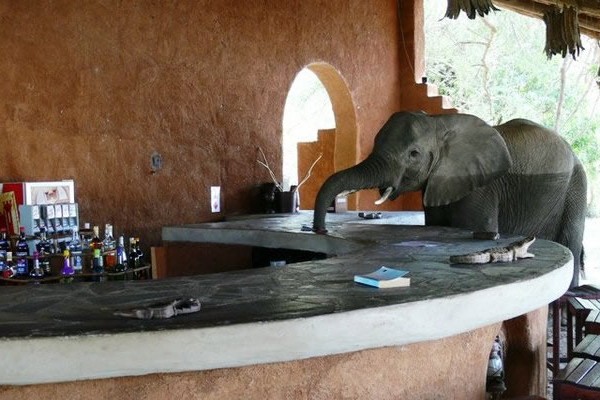

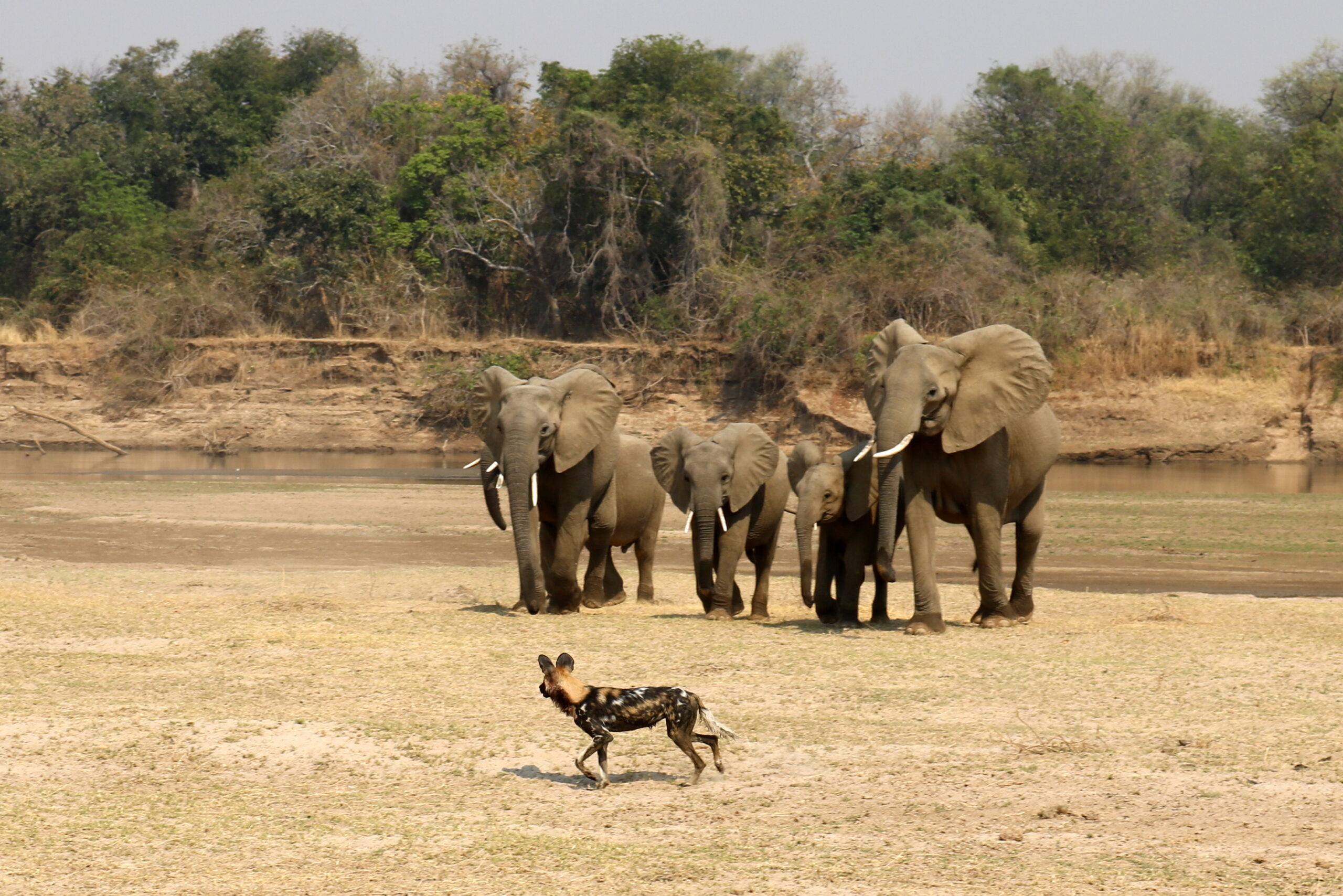

South Luangwa National Park is one of Africa’s premier wildlife destinations, famous for its high concentration of animals, beautiful landscapes, and authentic safari experiences. It is also the birthplace of the walking safari.
You may encounter elephants, lions, giraffes, buffaloes, hippos, crocodiles, zebras, and a wide variety of bird species. South Luangwa is also renowned for excellent leopard sightings.
Yes, walking safaris are led by highly experienced professional guides and armed scouts. Safety is always the top priority, and guests are carefully briefed before each walk.
Absolutely. This safari is ideal for both first-time safari travelers and experienced wildlife enthusiasts looking for an authentic bush experience.
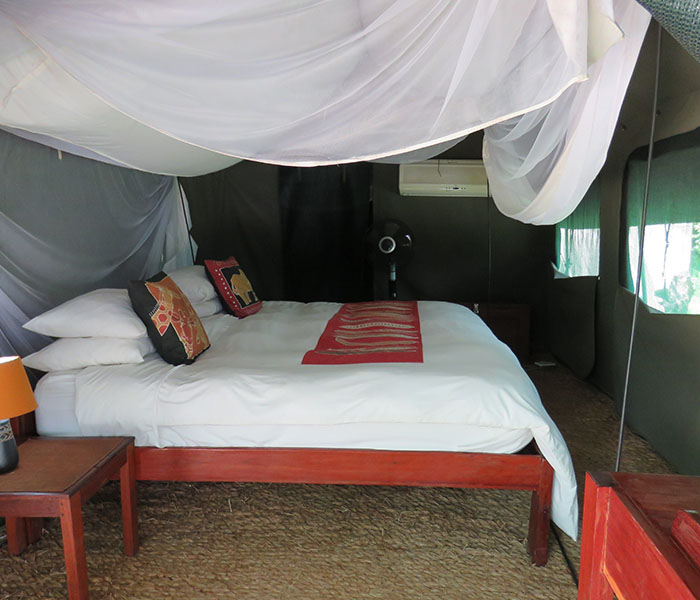
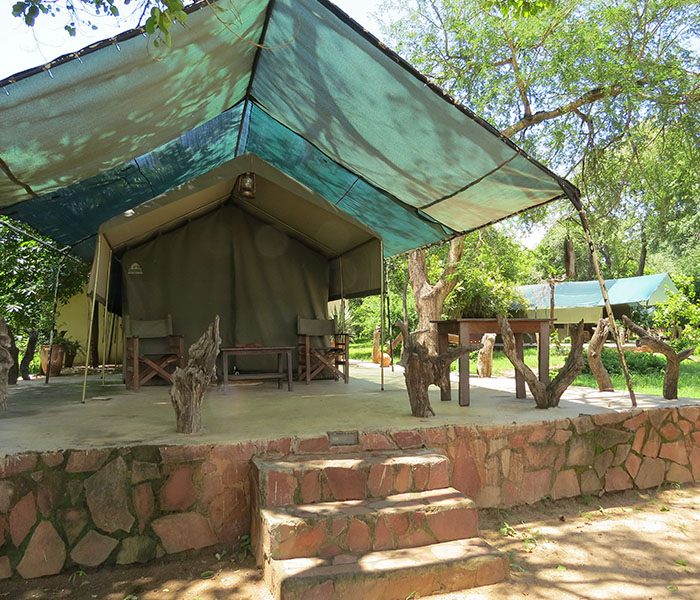
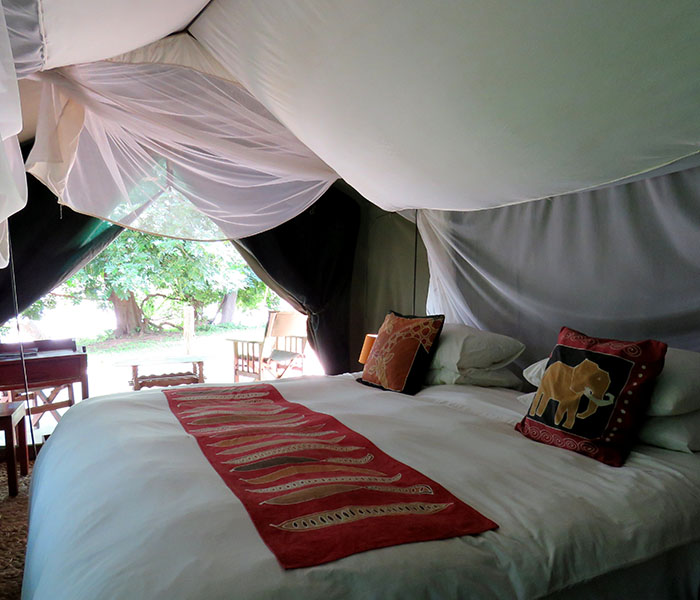
You will stay in a rustic yet comfortable safari camp that offers a close-to-nature atmosphere while still providing essential comforts for a relaxing stay.
We recommend lightweight neutral-colored clothing, comfortable walking shoes, a hat, sunscreen, insect repellent, binoculars, and a camera for wildlife photography.
The dry season, from May to October, is considered the best time for wildlife viewing, as animals gather around water sources and vegetation is less dense.
Yes, the safari includes guided game drives throughout your stay, giving you multiple opportunities to explore different areas of the park.
The walks are generally moderate and suitable for most people with a reasonable level of fitness. The pace is relaxed and designed for wildlife observation rather than long-distance hiking.
Yes, South Luangwa is a dream destination for wildlife photographers. The diverse wildlife, dramatic light, and expert guiding create outstanding photographic opportunities.
This safari is best suited for adults and older children who are comfortable in wilderness environments and able to participate in walking activities.
Most travelers fly into Mfuwe Airport, which is the main gateway to South Luangwa National Park. Road transfers to the camp are typically arranged as part of the safari.


